
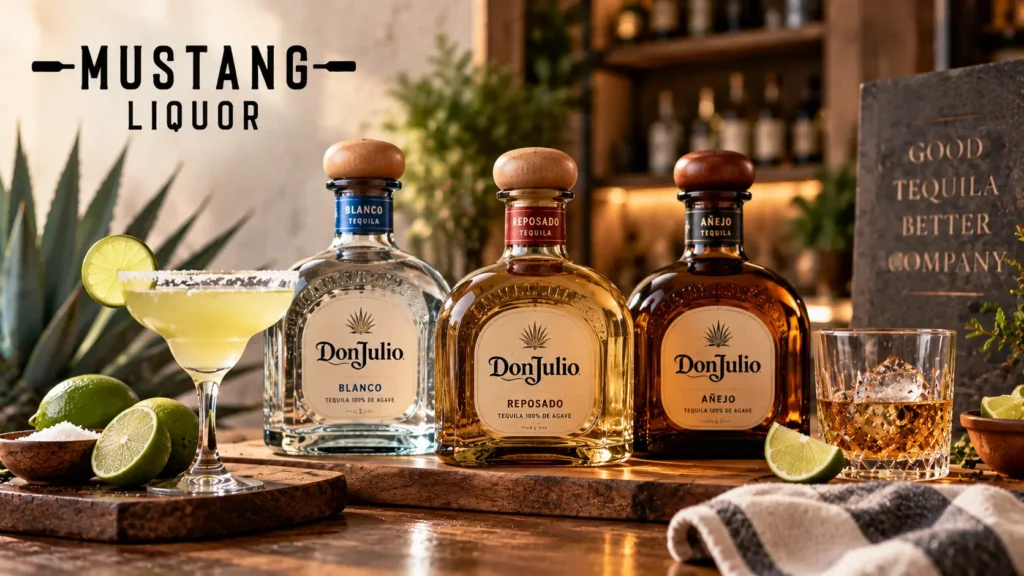
Buying tequila can be surprisingly complicated when you first look at the shelves. Labels such as blanco, reposado, añejo, 100% agave, and extra añejo can make it difficult to know what you are actually getting or which bottle is right for your needs.
Understanding a few fundamentals can make tequila shopping much easier. Whether you are looking for a bottle for margaritas, planning a tasting, building a home bar, or searching for a premium bottle, knowing the basics helps you shop with greater confidence.
This tequila 101 what to know before you buy guide covers how tequila is made, the differences between major tequila styles, what labels mean, and how to choose a bottle for cocktails or sipping.
What Is Tequila?
Tequila is a distilled spirit made primarily from the blue Weber agave plant, also known as Agave tequilana Weber var. azul. It is produced in designated areas of Mexico, with Jalisco being the best-known production region.
Unlike some spirits that can be produced from a wide range of ingredients, tequila has specific production standards governing the type of agave, production methods, labeling, and aging categories.
The first thing to understand when shopping is that not every tequila will taste the same. The type of tequila, how the agave is processed, the distillation method, aging, and the producer’s approach can all influence the finished bottle.
For an overview of available products and spirits, you can visit Mustang Liquor.
How Tequila Is Made
Understanding how tequila is made gives you a better idea of why different bottles can taste so different.
1. Agave Is Harvested
Tequila begins with mature blue Weber agave plants. Once the plant is ready, a skilled worker called a jimador removes the leaves and harvests the heart, or piña, of the agave.
These piñas contain the carbohydrates needed to produce alcohol.
2. The Agave Is Cooked
The harvested agave is cooked to convert complex carbohydrates into fermentable sugars. Traditional producers may use brick ovens, while other producers use modern autoclaves or other controlled cooking systems.
The cooking process can affect the aromas and flavors that eventually appear in the tequila.
3. Sugars Are Extracted
After cooking, the agave is crushed or processed to extract its juice and sugars. These sugars are then prepared for fermentation.
4. Fermentation
Yeast converts the sugars into alcohol during fermentation. The length and style of fermentation can influence the character of the spirit.
Some producers use naturally occurring yeasts, while others use selected strains to achieve a more consistent result.
5. Distillation
The fermented liquid is distilled, commonly two or more times, to increase alcohol concentration and refine the spirit.
Distillation is a major part of tequila production because it helps determine the balance between agave character, texture, and other aromatic compounds.
6. Aging or Bottling
After distillation, the tequila may be bottled as blanco or placed into barrels for aging. The length of time in wood determines whether it qualifies as reposado, añejo, or extra añejo.
This brings us to one of the most important concepts in any tequila buying guide: understanding the major tequila categories.
Blanco vs. Reposado vs. Añejo
The blanco vs reposado vs añejo comparison is one of the easiest ways to narrow down your choices.
Blanco Tequila
Blanco, sometimes called silver or plata, is generally bottled soon after distillation, although limited resting or maturation is permitted.
Because it spends little or no time in oak, blanco tequila often showcases the natural character of the agave more directly. You may notice vegetal, peppery, citrus, earthy, or lightly sweet notes depending on the producer.
Blanco is a popular choice for cocktails because its agave flavor works well with citrus, fruit, herbs, and other mixers.
Reposado Tequila
Reposado means “rested.” This style is matured in oak for at least two months but less than a year.
Barrel aging can give reposado tequila a rounder texture and additional flavors such as vanilla, caramel, spice, or toasted wood while still retaining noticeable agave character.
Reposado is often a useful middle ground for people who want something suitable for cocktails but also enjoyable on its own.
Añejo Tequila
Añejo tequila is aged for at least one year in oak containers. The additional time allows the spirit to develop deeper flavors and a more pronounced barrel influence.
Depending on the producer, you may find notes of vanilla, oak, dried fruit, caramel, baking spices, or roasted agave.
Añejo is frequently chosen for sipping rather than mixing into cocktails where its more developed flavors could be obscured.
Extra Añejo
Extra añejo is matured for at least three years. These tequilas generally have a deeper, more developed profile and can appeal to people who enjoy sipping aged spirits.
Because the aging process requires additional time and storage, extra añejo bottles are often positioned at a higher price point.
What Does “100% Agave” Mean?
One of the most useful things to check on a tequila label is whether it says 100% agave.
Tequila labeled 100% agave is made using sugars derived entirely from blue Weber agave.
There are also tequilas that are not labeled 100% agave and may use other fermentable sugars in addition to agave sugars under the applicable production standards.
For shoppers who want the most direct expression of blue agave, looking for a 100% agave designation is a straightforward starting point.
What Is the Best Tequila for Margaritas?
When people search for the best tequila for margaritas, the answer depends partly on personal taste and the style of Margarita being made.
Blanco tequila is a common choice because its fresh agave character works naturally with lime juice and orange liqueur. Its clean, bright profile can keep the cocktail refreshing.
Reposado can also work well when you want a Margarita with a little more depth, warmth, or oak influence.
For a traditional-style Margarita, a good-quality 100% agave blanco is an easy place to start. For more complex variations, experimenting with reposado can produce a richer result.
If you are shopping specifically for cocktail ingredients, browse the Mustang Liquor shop to explore available options.
Tequila for Sipping vs. Cocktails
The way you plan to drink your tequila should influence the bottle you buy.
For cocktails, blanco and reposado are often practical choices because their flavors can work well with citrus, mixers, herbs, and liqueurs.
For sipping, you may want to explore reposado, añejo, or extra añejo bottles. Aging can add layers of flavor and a smoother, more developed profile that can be enjoyed without mixers.
That does not mean blanco tequila cannot be sipped. A high-quality blanco can showcase vibrant agave character and be excellent on its own.
The important factor is matching the tequila style to your preferences.
How to Choose a Tequila at the Store
When standing in the tequila section, start by answering a few simple questions.
Are you buying for cocktails or sipping? Do you prefer bright agave flavors or richer oak notes? Are you looking for an everyday bottle or something for a special occasion?
Your answers can quickly narrow the field.
For everyday cocktails, look toward quality blanco or reposado options. For a special dinner or spirits collection, consider exploring aged or premium selections.
You can also browse the premium collections at Mustang Liquor when you are looking for more elevated tequila options.
For shoppers specifically searching for premium tequila Mustang OK, comparing bottle styles, aging classifications, and price points can help identify the type that best fits the occasion.
Price Does Not Tell the Whole Story
A higher price can reflect longer aging, production methods, brand positioning, limited availability, or other factors, but price alone does not determine whether a tequila is right for you.
A reasonably priced blanco may be an excellent Margarita tequila, while an expensive añejo may be better suited to sipping.
Think about how you will actually use the bottle before spending more.
Checking Mustang Liquor specials can also help you discover different bottles and styles while staying within your budget.
Why the Bottle and Brand Matter
Different tequila producers use different cooking methods, fermentation approaches, stills, and aging programs. As a result, two bottles in the same category can still taste very different.
For example, two blanco tequilas may both be 100% agave but have different levels of sweetness, pepper, citrus, earthiness, or roasted agave.
This is why experimenting with different producers is one of the best ways to develop your palate.
You can learn more about Mustang Liquor on the About page and contact the store through the contact page with questions about available selections.
For additional beverage-related guides and buying tips, visit the Mustang Liquor blog.
Final Thoughts
Tequila shopping becomes much easier once you understand the basics.
Start by checking whether the bottle is 100% agave, then decide whether you want a blanco, reposado, añejo, or extra añejo. From there, consider whether the tequila will be used for Margaritas and other cocktails or enjoyed on its own.
Blanco is generally a strong choice for bright, agave-forward cocktails. Reposado offers a balance between fresh agave and barrel influence. Añejo and extra añejo provide more developed flavors for sipping.
The best bottle ultimately depends on your taste, budget, and intended use. With a little knowledge, you can approach the tequila aisle with a much clearer idea of what you are looking for.
FAQs
What is the difference between blanco, reposado, and añejo tequila?
Blanco tequila is generally bottled soon after distillation and emphasizes fresh agave character. Reposado is aged in oak for at least two months but less than one year, adding some barrel influence. Añejo is aged for at least one year and generally develops deeper oak, spice, caramel, and vanilla characteristics.
Is 100% agave tequila better?
100% agave tequila is made entirely from sugars derived from blue Weber agave. Whether it is “better” depends on your taste and intended use, but many shoppers specifically look for the 100% agave designation when selecting tequila.
What is the best tequila for Margaritas?
Blanco tequila is a popular choice for Margaritas because its fresh agave character pairs well with lime and orange flavors. Reposado can also work well when you want a cocktail with additional oak and spice character.
Is reposado tequila good for sipping?
Yes. Reposado can be enjoyed neat or over ice. Its period of oak maturation can add vanilla, caramel, spice, and toasted notes while retaining some of the underlying agave character.
How long is añejo tequila aged?
Añejo tequila is aged for at least one year in oak containers. Extra añejo is aged for at least three years and generally has a more developed barrel-influenced profile.
What should beginners look for when buying tequila?
Beginners can start by looking for a 100% agave tequila and then choosing a category based on intended use. Blanco is versatile for cocktails, reposado offers a balance of agave and oak, and añejo is often selected for sipping.
Where can I buy tequila in Mustang, Oklahoma?
You can browse tequila selections through Mustang Liquor and its online shop. You can also check the latest specials for available offers.