
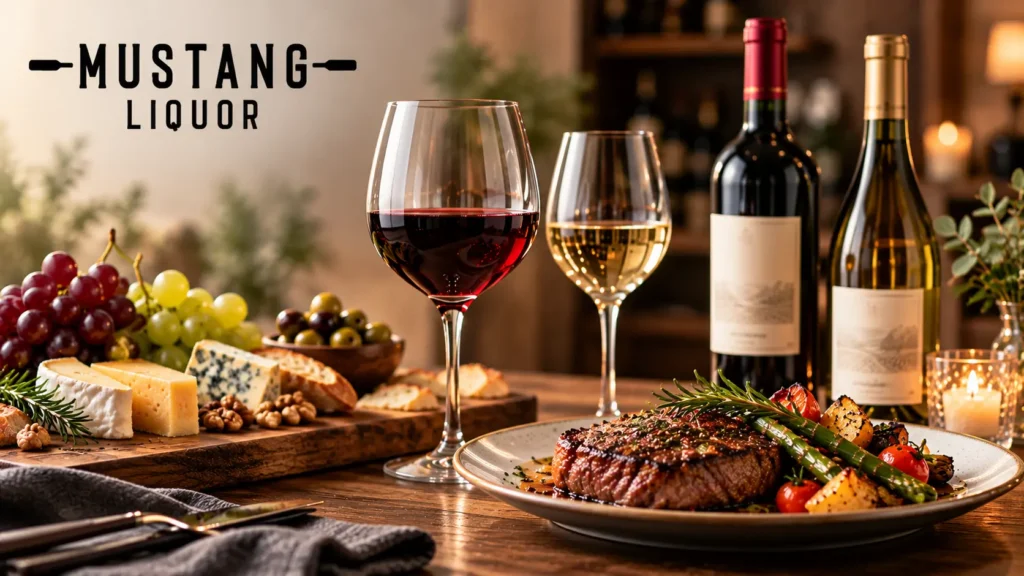
Choosing a bottle of wine for dinner can feel overwhelming, especially when you are standing in front of dozens of options and wondering which one will actually complement your meal. The good news is that you do not need to be a wine expert to make a great choice.
Understanding a few basic principles can make wine selection much easier. From considering the main flavors in your meal to deciding between red and white wine, a little planning can help you find a bottle that fits both your dinner and your budget.
Whether you are preparing a casual weeknight meal or hosting a special dinner, these simple wine pairing basics can help you learn how to pick a wine for dinner with confidence.
[cta]
Start With the Main Dish
The most useful starting point for wine selection is the main dish. Think about the primary ingredient, the cooking method, and the overall flavor profile.
For example, grilled steak tends to work well with full-bodied red wines because the wine’s structure can complement the richness of the meat. Chicken, seafood, and lighter pasta dishes may pair well with crisp white wines, while tomato-based dishes can often work with either medium-bodied reds or certain whites.
You do not necessarily need to find an exact match. Instead, look for a wine that complements the overall character of the meal.
A simple rule is to consider whether your food is:
- Light and delicate
- Rich and hearty
- Spicy
- Creamy
- Acidic
- Sweet or dessert-like
Once you identify the dominant characteristics, choosing your wine becomes much easier.
Understand Red Wine vs White Wine for Dinner
One of the most common questions beginners have is whether they should choose red or white wine. There are no absolute rules, but the style of the meal can provide a useful guide.
Red Wine
Red wines often work well with hearty foods such as steak, burgers, roasted meats, barbecue, and rich pasta dishes. Cabernet Sauvignon, Merlot, Malbec, and Syrah are examples of red wines with different levels of body and intensity.
A lighter red, such as Pinot Noir, may be a better choice when you want something smoother and less powerful. It can pair nicely with roasted chicken, mushrooms, salmon, and other moderately rich dishes.
White Wine
White wines are often associated with lighter meals, including seafood, salads, chicken, vegetables, and creamy dishes. Chardonnay, Sauvignon Blanc, Pinot Grigio, and Riesling offer different combinations of acidity, body, sweetness, and fruit character.
For example, Sauvignon Blanc can provide refreshing acidity alongside seafood or vegetable dishes, while a fuller Chardonnay can complement creamy sauces and richer foods.
When comparing red wine vs white wine for dinner, focus on balance rather than strict traditional rules.
Consider the Sauce and Seasoning
A common beginner mistake is choosing wine based only on the main protein. In many dishes, the sauce or seasoning has an even greater impact on the pairing.
Imagine grilled chicken served with a creamy garlic sauce. The chicken itself is relatively mild, but the creamy sauce adds richness. A fuller white wine may work better than a particularly light wine.
Similarly, pasta with a spicy tomato sauce can call for a wine with enough acidity and fruit character to work alongside the tomatoes and seasoning.
When deciding how to pick a wine for dinner, look at the complete dish rather than just one ingredient.
Match the Wine to the Intensity of the Meal
Another important principle is matching intensity.
A delicate dish can easily be overwhelmed by a powerful wine. On the other hand, a bold meal may make a very light wine seem flat or uninteresting.
Think about the overall strength of the flavors:
Light foods: salads, delicate seafood, fresh vegetables, simple chicken dishes
Medium-intensity foods: roasted poultry, mushroom pasta, pizza, moderately seasoned dishes
Bold foods: steak, grilled meats, barbecue, rich sauces, heavily seasoned meals
This approach is one of the most practical wine pairing basics for beginners.
Think About Acidity
Acidity is another important characteristic when selecting wine. Wines with noticeable acidity can help refresh your palate and balance rich or fatty foods.
This is one reason crisp white wines can work well with fried foods, creamy dishes, and seafood. The acidity can provide contrast and keep the meal from feeling overly heavy.
Acidic foods also tend to work well with wines that have similar or greater acidity. Tomato-based pasta, for example, often pairs better with an appropriately acidic wine than with a very low-acid option.
Do Not Forget About Spicy Foods
Spicy meals can make wine selection slightly more complicated. High-alcohol wines may sometimes make spicy dishes feel hotter, while wines with a little sweetness and refreshing acidity can provide a more balanced experience.
For spicy Asian-inspired meals, tacos, spicy barbecue, or dishes featuring hot peppers, consider wines that are refreshing, fruity, or slightly off-dry.
The goal is to avoid overwhelming either the food or the wine.
Choosing Affordable Wine for Weeknight Meals
You do not need to spend a lot of money every time you buy wine. There are plenty of quality options available at approachable prices.
When looking for affordable wine for weeknight meals, focus on versatility rather than prestige. A wine that can pair with several meals is often more useful than an expensive bottle designed for a very specific occasion.
For everyday dinners, consider exploring different grape varieties and regions within your preferred price range. Comparing several bottles can also help you discover styles that match your taste.
You can browse available options through the Mustang Liquor shop and explore selections that fit different meals and occasions.
Beginner Wine Buying Tips
For first-time wine buyers, the number of labels can be intimidating. A few simple habits can make the process much easier.
First, know what types of wine you generally enjoy. If you prefer fruity, smooth wines, look for descriptions that emphasize those characteristics. If you enjoy crisp and refreshing wines, focus on bottles described as bright, dry, or high in acidity.
Second, do not choose wine based solely on the label design or price. While packaging can catch your attention, the grape variety, style, and food pairing are much more useful considerations.
Third, keep track of wines you enjoy. Writing down the grape, region, and style can help you recognize patterns in your preferences.
These beginner wine buying tips can make future wine shopping much less complicated.
Explore Premium Wine Options for Special Dinners
For birthdays, anniversaries, holiday meals, or dinner parties, you may want to explore bottles that offer something more distinctive.
Premium wines can provide more complexity and variety, making them suitable for special occasions when you want the wine itself to be part of the experience.
You can explore the premium collections at Mustang Liquor when you are looking for elevated choices for a special meal or celebration.
At the same time, remember that an expensive wine is not automatically the best pairing. The most successful bottle is usually the one that complements the food and suits your personal preferences.
Check Specials Before You Buy
Price does not have to limit experimentation. Sales and promotions can be a useful way to try a new grape variety or explore a different wine style without spending as much.
Before purchasing your next dinner wine, check the latest Mustang Liquor specials for available deals and promotions.
Trying something unfamiliar at a lower price can also help you expand your preferences over time.
Ask for Help When You Need It
There is nothing wrong with asking for assistance when you are unsure which bottle to choose. Wine selections can vary considerably, and a recommendation based on your specific meal can save time.
If you want more information about the store and its offerings, visit the Mustang Liquor About page. You can also contact Mustang Liquor with questions about available selections.
You can also explore the Mustang Liquor blog for additional wine-related information, pairing ideas, and buying guidance.
A Simple Formula for Choosing Dinner Wine
When you are standing in front of a wine shelf and need a quick decision, use this simple process:
1. Identify the main dish.
What is the primary protein, vegetable, or meal?
2. Consider the strongest flavor.
Is the dish creamy, spicy, acidic, smoky, sweet, or rich?
3. Match the intensity.
Choose a lighter wine for delicate foods and a fuller wine for richer meals.
4. Decide between red and white.
Use traditional pairings as a starting point, but do not treat them as strict rules.
5. Consider your personal taste.
A technically classic pairing is not useful if you do not enjoy the wine.
6. Stay within your budget.
There are excellent options at many price points.
This approach makes how to pick a wine for dinner much simpler, even when you are new to wine.
Final Thoughts
Learning how to choose wine does not require memorizing complicated rules. Start with the main dish, consider its flavor and intensity, and look for a wine that creates balance.
As you experiment, you will naturally become more familiar with different grape varieties, wine styles, and pairings. Over time, choosing a bottle for dinner will become a simple part of planning the meal rather than a stressful decision.
Whether you need an affordable wine for weeknight meals or a premium bottle for a special occasion, explore the selection at Mustang Liquor and discover options that suit your meal, preferences, and budget.
[cta]
Frequently Asked Questions
What is the easiest way to choose a wine for dinner?
Start with the main dish and identify its strongest flavors. Consider whether the meal is light, rich, spicy, creamy, or acidic, then choose a wine with a similar or complementary level of intensity. Personal taste should also influence your final decision.
Should I choose red or white wine for dinner?
Red wine often pairs well with hearty meats and rich dishes, while white wine commonly works well with seafood, poultry, vegetables, and lighter meals. However, there are many exceptions, so the sauce, seasoning, and overall flavor of the dish should also be considered.
What wine is good for an affordable weeknight dinner?
Versatile wines such as Pinot Noir, Merlot, Sauvignon Blanc, Pinot Grigio, and some styles of Chardonnay can work well for everyday meals. Look for bottles within your budget that match the foods you typically prepare rather than focusing only on premium labels.
How can beginners get better at choosing wine?
Start by learning a few common grape varieties and paying attention to characteristics such as sweetness, acidity, body, and tannins. Keep notes about wines you enjoy and the meals you paired them with. Over time, this makes it easier to recognize your preferences.
Where can I find wine for dinner in the Mustang area?
You can explore the selection available through Mustang Liquor, browse products through the online shop, and check current specials for available offers.